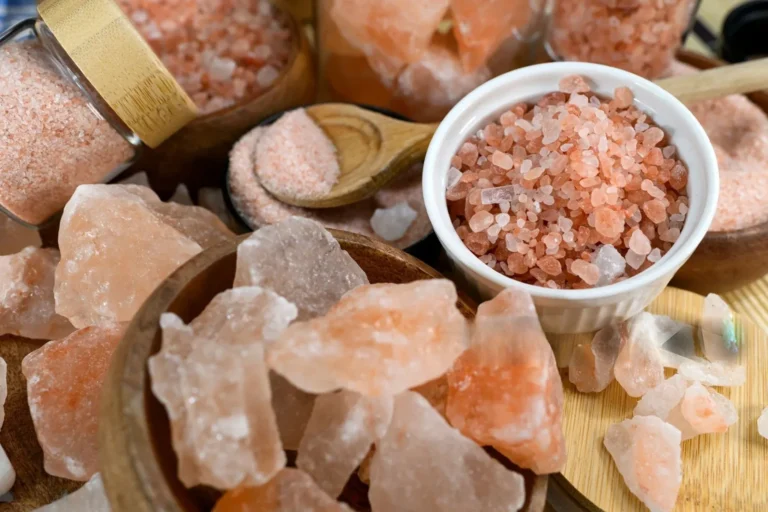

Amazon is now one of the primary retail channels for Himalayan salt across the USA, UK, and Germany markets. Walk through any Amazon search for pink salt, bath salt, or salt lamps and you will find hundreds of listings — many of them from private label brands sourcing from Pakistan or India. Getting your product in front of those buyers, or helping your wholesale clients do so, requires understanding how the platform works and what compliance requirements apply.
Why Amazon Works for This Category
Himalayan salt has several characteristics that make it well-suited to Amazon’s marketplace dynamics. It is a consumable, meaning repeat purchases are built into the product cycle. Customers who find a brand they like will reorder. The category is search-driven — most buyers type exactly what they want and buy from the top results — which rewards strong keyword strategy and genuine reviews over brand recognition.
The products are visually compelling. Salt lamps photograph beautifully. Retail bags of pink crystal look distinctive against white backgrounds. Unlike some commodity goods, Himalayan salt products have natural visual appeal that helps conversion rates when the photography is done properly.
What Amazon Requires for Food Products
In the USA, food products sold on Amazon must comply with FDA labeling requirements. This means a nutrition facts panel formatted to FDA specification, a complete ingredient declaration, net weight in both metric and US customary units, and a US responsible party address on the label. The last point is important: if you are a Pakistani exporter selling directly on US Amazon, you need a US-based responsible party — typically an importer, a third-party logistics company with this role, or a brand entity you have registered in the USA.
In the UK, post-Brexit food labeling rules require a UK address rather than an EU one. If you were previously supplying an EU entity that handled UK distribution, that route now requires a separate UK arrangement.
Germany and other EU markets go through Amazon’s pan-European FBA system, which requires product registration in the GPSR (General Product Safety Regulation) framework, a responsible person based in the EU for non-food product categories like salt lamps, and REACH compliance documentation for cosmetic and topical products.
Packaging and Private Label for Amazon
The most common structure for Himalayan salt on Amazon is the private label model: a buyer sources from an exporter, creates their own brand, and sells under that brand on Amazon’s marketplace. This is a well-established supply chain and the reason many salt exporters now offer label design coordination and retail-ready packaging as part of their service.
For Amazon specifically, packaging needs to survive the fulfillment center process. Amazon FBA warehouses run high-speed conveyor systems, and retail bags that are not sealed properly, have fragile labels, or are in packaging that cannot take rough handling will generate a customer complaints problem. The packaging requirements for FBA are documented in Amazon’s seller central guidelines and include specific barcode placement, poly bag requirements for loose-fill products, and prohibited packaging materials.
Salt lamps require fragile item labeling and appropriate double-boxing for FBA. Amazon charges for this if the seller does not do it themselves, and it adds to fulfillment cost. Most experienced Amazon sellers handling lamps do their own prep or use a prep service before sending to an FBA warehouse.
Competing on Amazon Without Racing to the Bottom on Price
The salt category on Amazon has significant price competition. There are low-cost listings from sellers who are cutting corners on certification, packaging quality, or both. Competing on price alone in this environment is not a viable long-term strategy.
The brands that hold strong positions on Amazon over multiple years do it through review velocity, listing quality, and verified certifications prominently displayed in their listing content. A listing that clearly states ISO 22000 certified, FDA registered, and Kosher certified — with supporting imagery in the listing photos — converts better than a cheaper listing that makes none of those claims, even at a small price premium.
The second factor is repeat purchase optimization. Subscribe and Save on Amazon is the single best tool in the consumable salt category. Getting a customer onto a monthly or bi-monthly Subscribe and Save subscription is worth significantly more in lifetime value than a one-time purchase. Pricing and packaging decisions should account for this from the beginning.
For exporters who are not selling on Amazon directly but whose wholesale clients are, understanding this landscape helps you give better advice to buyers about what they need from you — certifications, consistent batch quality, flexible packaging options, and reliable reorder lead times are the things Amazon sellers value most from a supplier.