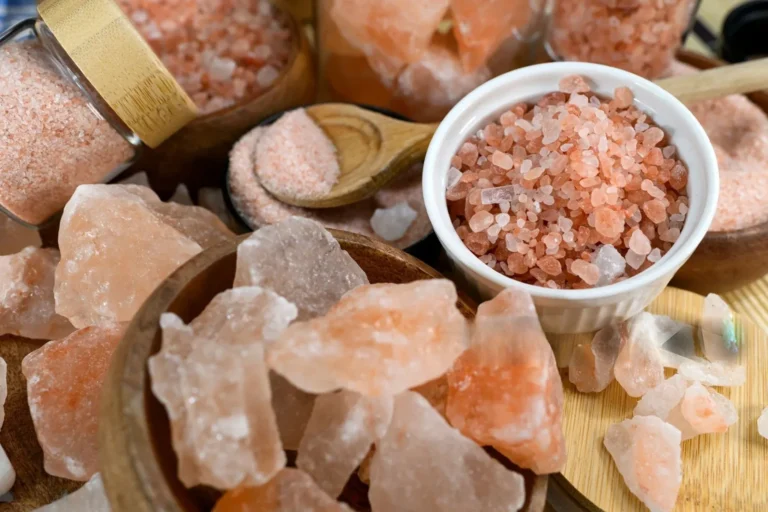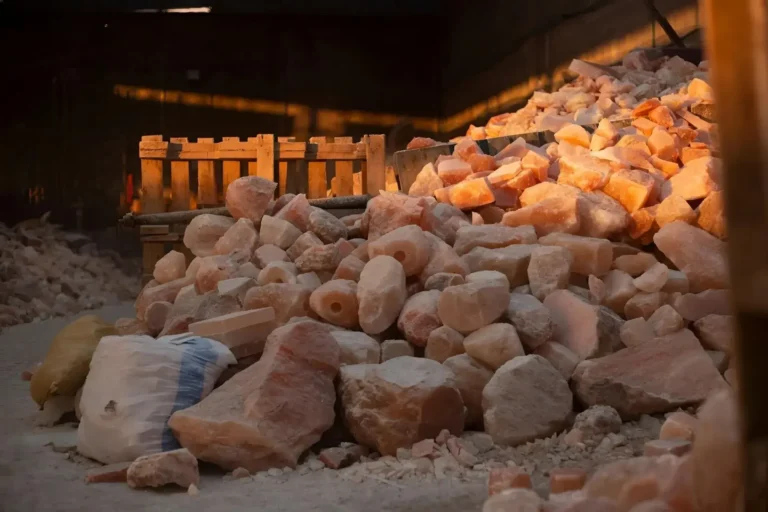

One of the most common points of confusion among first-time Himalayan salt buyers is the assumption that all salt from Khewra Mine is the same product. It is not. The mine produces raw material across a wide quality range, and how that material is processed and tested determines which grade it becomes.
Here is a practical breakdown of the three main grades and what they mean for buyers.
Food Grade
This is the strictest classification and the most regulated. To qualify as food grade, Himalayan salt must meet specific standards for heavy metal content, microbiology, moisture, and grain size consistency. The relevant certifications — ISO 22000, HACCP, FDA registration for the US market, and Halal or Kosher for applicable markets — are all tied to food grade production.
Food grade salt goes through more processing steps, more testing, and more documentation than any other category. That is why it costs more per kilogram than industrial or decorative grades. If you are supplying a supermarket chain, a spice company, or a private label food brand, food grade is the only grade that matters. Anything less and you are one audit away from a serious problem.
Grain size for food grade runs from extra fine to extra coarse. Most retail products use fine or medium coarse. Grinder refills typically use coarse or extra coarse. Bath salt sold under a food-adjacent wellness brand often uses the same food grade material because the manufacturing standard gives consumers confidence even when the product is not technically ingested.
Spa and Cosmetic Grade
This classification sits between food and industrial. The salt is cleaner than industrial grade and goes through more thorough washing and sieving, but the testing requirements are different from food grade. You are checking for skin safety rather than ingestion safety — heavy metals at cosmetic thresholds, microbial limits relevant to topical use, and absence of irritants.
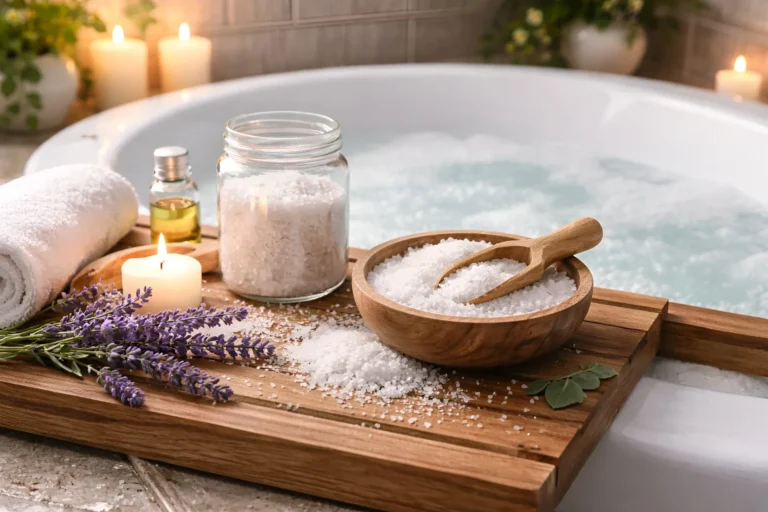
Spa grade is appropriate for bath salts, body scrubs, salt scrub blends, foot soaks, and similar products where the salt touches skin but is not swallowed. Many wellness brands specifically request spa grade because the price point is lower than food grade while still meeting the safety standards required for cosmetic product registration in their markets.
If you are building a bath and body product line, spa grade is usually the right answer. If you want to market your bath salt as food-safe or edible (some brands do this to suggest purity), you need food grade regardless.
Industrial and Decorative Grade
This is the broadest category and the least regulated from a consumption standpoint. Industrial grade salt is used for water softening, road de-icing, livestock feed supplements (which have their own feed-grade standards), and in the manufacturing of other chemical compounds.
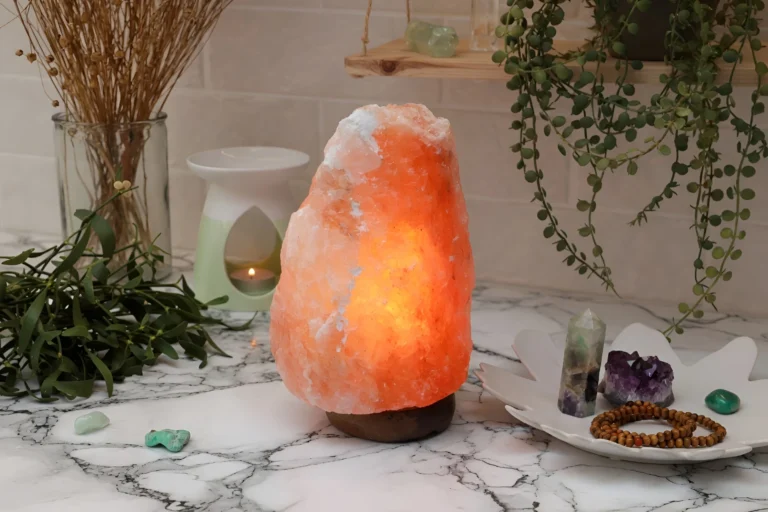
Decorative grade covers the salt used in lamps, tiles, bricks, carved items, and architectural panels. The visual quality of the crystal matters here — color consistency, lack of cracking, and structural integrity are the relevant specs, not heavy metal levels. A salt lamp is not a food product, and the standards reflect that.
Animal lick salt technically falls into its own sub-category. It needs to meet feed-grade standards, which vary by country, but it does not need to meet human food standards. Most livestock lick blocks are coarser and less processed than food grade, and they are often sold in larger compressed block form rather than loose crystals.
Why This Matters for Your Sourcing Decision
When you request a quote from any supplier, one of the first things you should confirm is which grade you are buying. A supplier offering food grade pricing that seems significantly below market average is either working on very thin margins or is not actually shipping food grade material.
Ask for the certificate of analysis from a third-party lab. Ask specifically which certifications cover the grade you are ordering. A good exporter will have this documentation ready without you having to chase it.