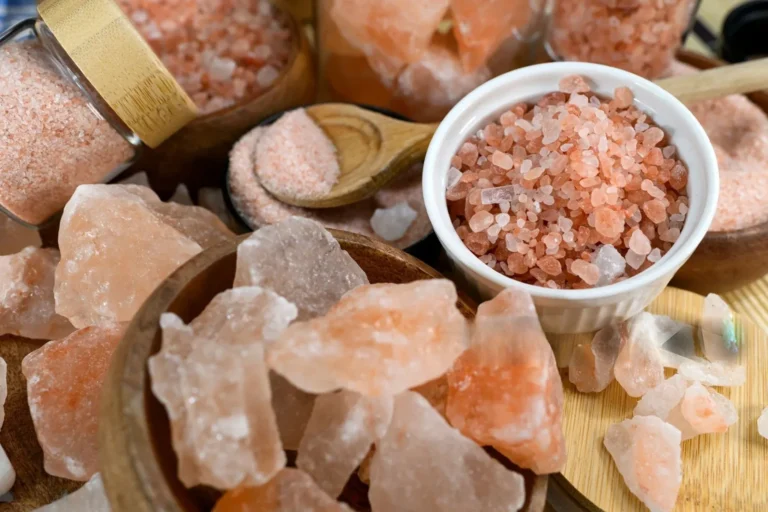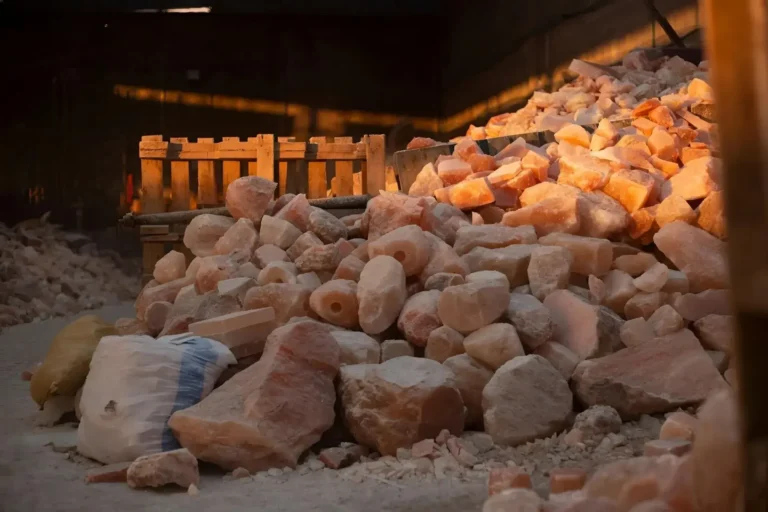

Walk into any well-stocked health food store and you will notice that Himalayan salt is not one color. Crystals range from nearly white to deep brick red, with every shade of blush, salmon, and orange in between. New buyers frequently ask whether the darker crystals are better, or whether white salt is somehow less authentic. The answer is more interesting than most people expect.
The color variation comes entirely from trace mineral concentrations — specifically iron oxide, which is the same compound responsible for the red in rust. More iron means a deeper color. Less iron means a lighter, sometimes almost white crystal. Both come from the same geological formation and the same mine.
What Light Pink Looks Like and Why People Prefer It
Light pink is the most commercially popular color for edible and retail products. It photographs well, looks distinctive on a shelf next to ordinary white table salt, and the color is mild enough that it does not alarm consumers who are accustomed to white salt.
From a mineral standpoint, light pink and deep pink crystals are not significantly different in composition. The trace iron content that creates the color difference is not nutritionally meaningful — we are talking about amounts that would not register on a dietary label. The preference for light pink in retail is largely aesthetic.
Deep Pink and Red Crystals
A noticeably redder crystal has a higher concentration of iron oxide. Some buyers and consumers specifically seek out the darker crystals because they associate the color with stronger mineral content. Whether that reasoning is scientifically robust is debatable, but the market demand for deeper pink and red crystals is real.
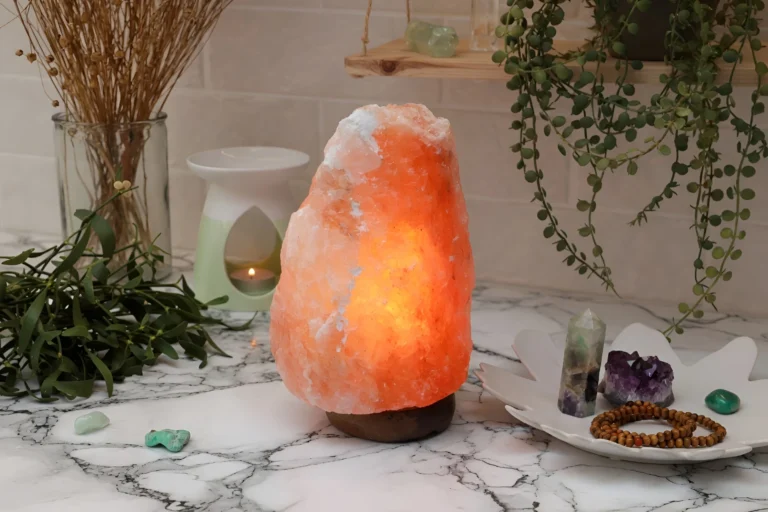
Red and deep orange crystals are particularly popular for decorative applications — lamps, tiles, and carved items where the visual drama of a rich, glowing color is the whole point. A red salt lamp looks striking when lit. A pale pink lamp looks soft and gentle. Both are valid product presentations for different markets.
White Himalayan Salt
White crystals from Khewra Mine are real Himalayan salt. They form in areas of the deposit where iron oxide concentration is very low. The white variety is often marketed as a milder flavor option, and some culinary buyers prefer it for dishes where they do not want even a trace of mineral tint to affect the appearance of light-colored food.
White Himalayan salt tends to command a slight premium in some markets because the yield of consistently white crystals from the mine is lower than the yield of mixed pink material. You are essentially buying a sorted subset of the total output.
For Buyers: What to Specify
If you are placing an export order and color consistency matters for your product line or packaging, specify the color range explicitly in your order. A good supplier will be able to provide samples across the color spectrum so you can select the range that matches your branding and customer expectations before committing to a full shipment.
Color is not a quality indicator. It is a preference indicator. The quality indicators are the testing results, the certifications, and the processing standards — not the shade of the crystal.