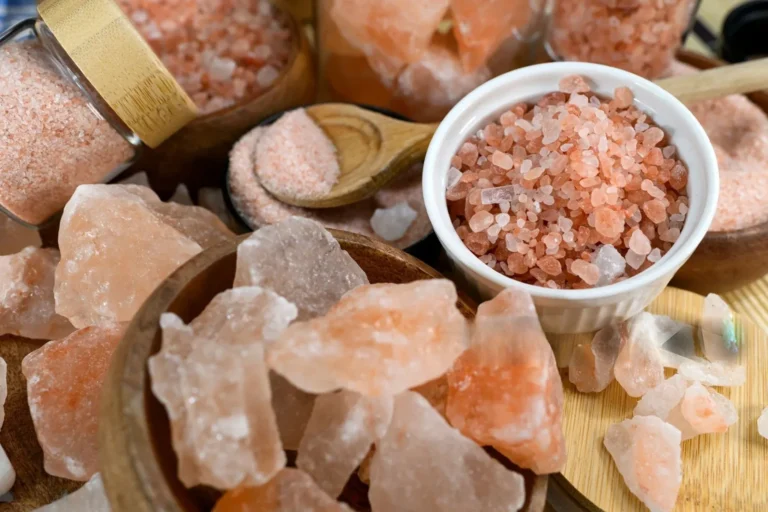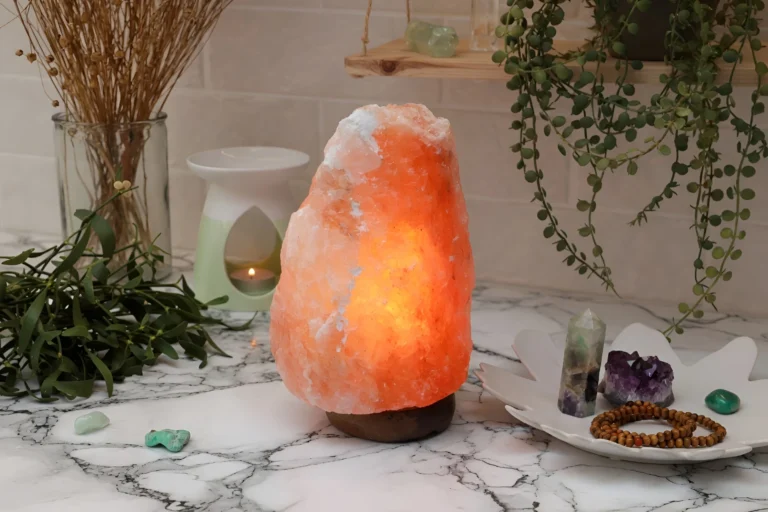
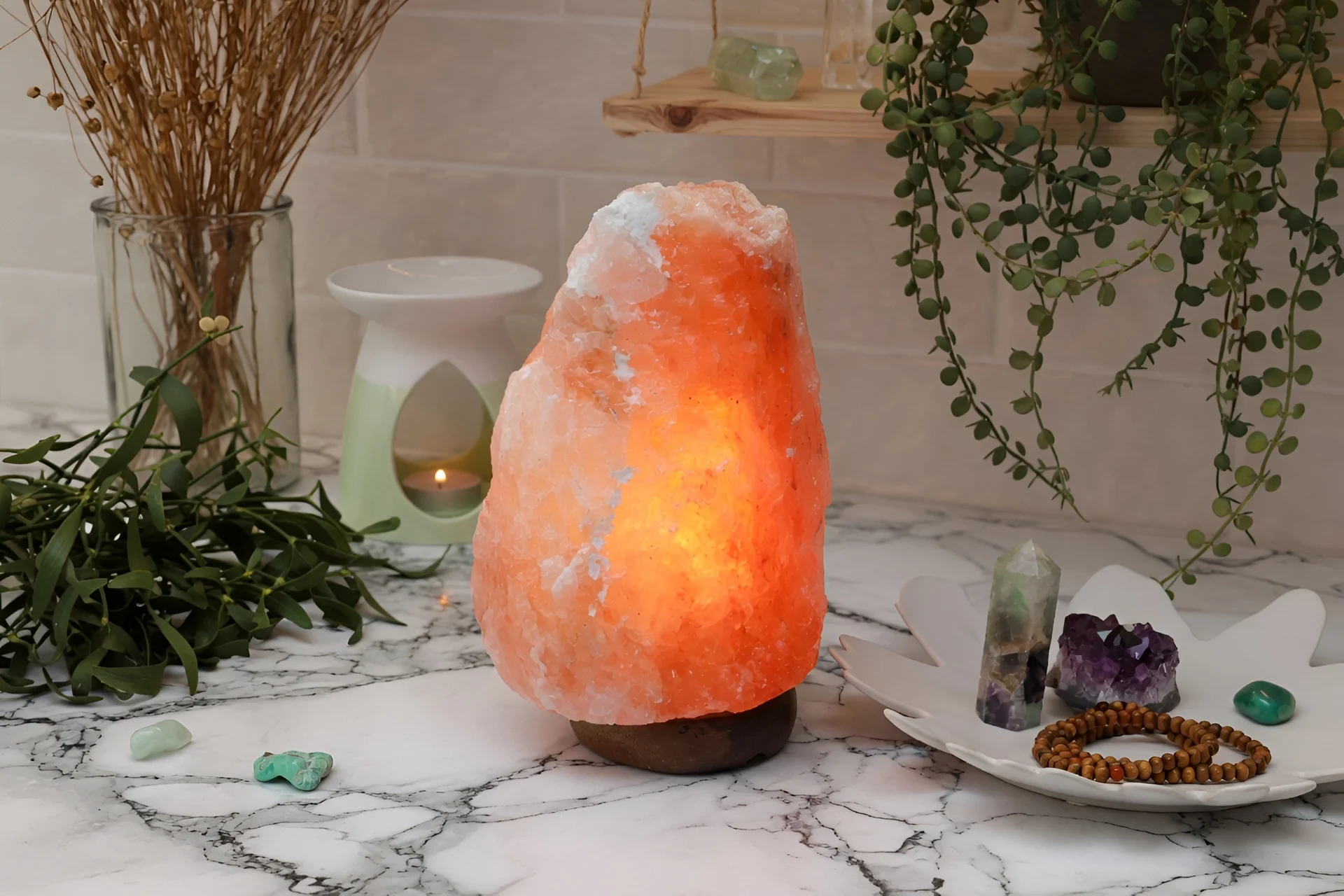
Salt lamps have been one of the most consistently high-demand Himalayan salt products for the better part of two decades. They move well in gift shops, home decor stores, wellness boutiques, and increasingly in mainstream retail chains across Europe and North America. Before you add them to your product catalog, here is what you should actually understand about them.
What a Salt Lamp Is
A Himalayan salt lamp is a large piece of raw salt crystal — typically between 2kg and 10kg — hollowed out to hold a low-wattage bulb or heat-producing LED. When lit, the salt glows in shades of amber, orange, and deep pink depending on the density and color of the crystal.
The lamp produces heat from the bulb, which in theory causes the surface of the salt to attract and absorb water molecules from the surrounding air. Salt is hygroscopic by nature — it absorbs moisture. This is the basis for the wellness claims made around salt lamps.
The Wellness Claims: What Is Real and What Is Marketing
The most common claim is that salt lamps produce negative ions that purify the air and improve mood or breathing. The honest answer is that while salt does interact with moisture in the air, the scale of any ion production from a small household lamp is too minimal to have a measurable effect on room air quality.
What salt lamps genuinely do offer is ambient lighting that is warm, soft, and visually calming. The glow of a heated salt crystal is legitimately attractive in a way that a standard bulb is not. For wellness spaces, bedrooms, and meditation areas, the aesthetic and atmospheric qualities are real and valued by customers regardless of the ion science.
Retailers who oversell the health benefits can run into problems in markets with strict advertising standards, particularly the UK and Germany. Stick to describing the lamp’s ambiance and natural origin, and let the product speak for itself.
Product Variants and What They Mean for Your Range
Natural shape lamps are raw, uncut pieces of salt crystal shaped by hand just enough to create the hollow for the bulb. No two are exactly alike, which is either a selling point or a supply challenge depending on your customer base. Gift buyers love the uniqueness. Chain retailers who need every product to look identical find natural shapes difficult.
Geometric and shaped lamps — pyramids, spheres, fire bowls — are cut from larger raw blocks to a consistent form. They photograph uniformly, look consistent on shelf, and are easier to plan inventory around. The tradeoff is that they require more processing time and the salt yield per block is lower because of the material cut away.
Basket lamps use smaller salt chunks arranged in a wire or wooden basket over a heat source. They are quicker to assemble and tend to be the lower price point in any range. Popular for promotional pricing and introductory retail placements.
USB lamps run on a low-wattage USB bulb and are sized for desks rather than rooms. They do not produce much heat, which limits the hygroscopic effect further, but they are genuinely popular as office accessories and the compact size makes them strong performers in impulse buy placements near checkouts.
What to Check Before Placing an Order
Bulb and cable quality matters more than buyers typically expect. The electrical components in a salt lamp are the reason most product returns happen — not the salt itself. Salt does not fail. Cheap cables fray and cheap bulbs burn out in three months. Specify that you want CE marked electrical components (required for EU sale), and request samples before committing to a full container.
Packaging is the other common issue. A 5kg salt crystal is fragile under shipping stress despite its hardness. Good packaging uses foam inserts, not just styrofoam peanuts, and the outer box needs to be rated for the weight. Ask your supplier to show you the actual packaging materials and drop test protocol before you agree to terms.
The salt itself should have no chemical smell when warm, no unusual surface residue, and no powdering at the base that suggests excessive moisture absorption during storage or transit. These are easy checks you can do on the samples.